Classical novae and presolar grains
Weak rp-process nucleosynthesis, nova endpoints, and isotopic fingerprints in stardust
The science question
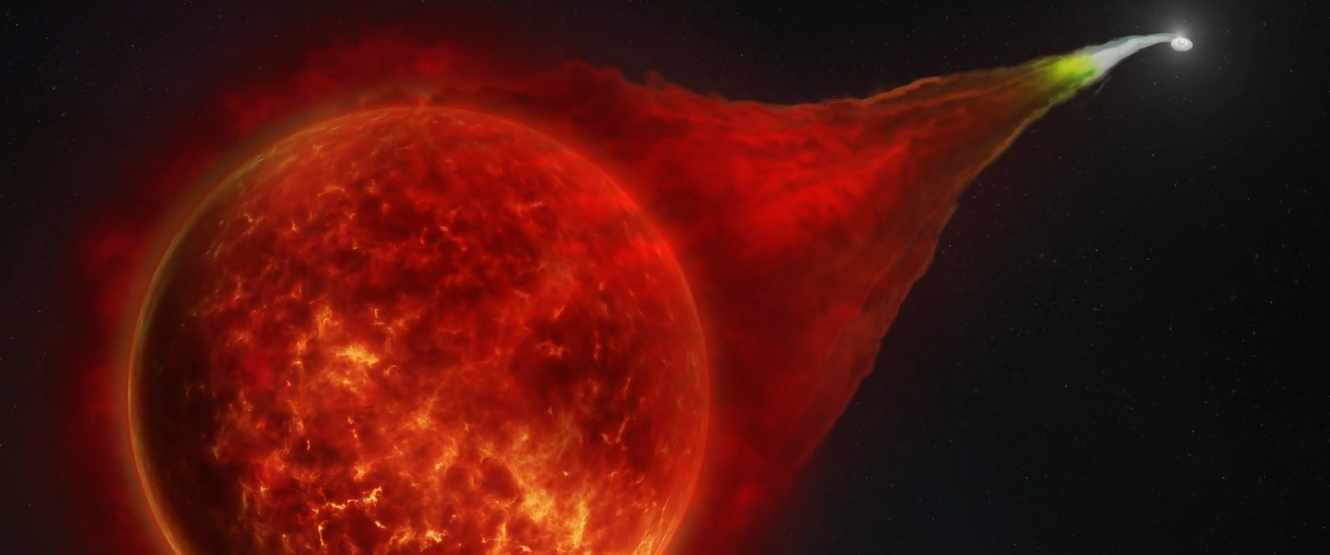
How far can classical novae climb up the periodic table, and which nuclear reactions control the isotopic fingerprints that may be preserved in presolar grains?
Most classical nova models produce nuclei up to the Si-Ca region. In low-metallicity environments, however, the reaction flow can behave like a weak rp-process and extend toward the Cu-Zn region. This opens a direct connection between nova simulations, nuclear reaction uncertainties, and the chemical record preserved in presolar stardust grains.
What we do
- Use nova models and reaction networks to identify reactions that control endpoint nucleosynthesis and isotopic ratios.
- Run Monte Carlo sensitivity studies to connect reaction-rate uncertainties to observable abundance patterns.
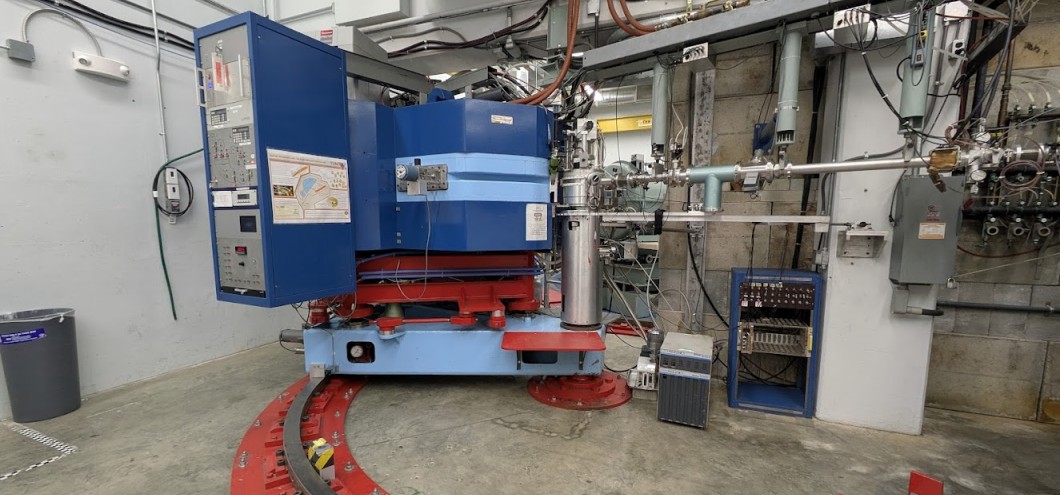
- Support experimental efforts that constrain key nova rates with recoil separators, spectroscopy, and radioactive-ion beams.
- Compare model predictions with presolar grain signatures, especially C, N, O, Mg, Al, Si, S, Cl, and Ar isotopic ratios.
Student entry points
- Run nuclear reaction networks and visualize how abundance flows change with metallicity.
- Build sensitivity plots that show which reaction rates matter most.
- Compare predicted isotopic ratios with candidate presolar nova grains.
Selected output
A. Psaltis et al., Astrophys. J. 987, 88 (2025)
L. Ward et al., Astrophys. J. 986 (2025)
M. Lovely et al., Phys. Rev. C 103, 055801 (2021)
M. Williams et al., Phys. Rev. Lett. 128, 182701 (2022)